Why Stainless Steel Seamless Pipes Are Essential in Modern Industries
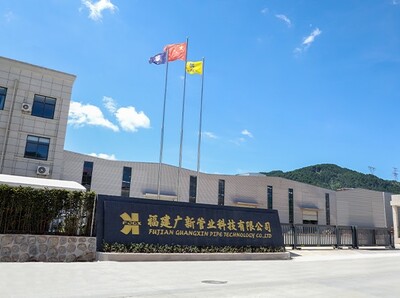
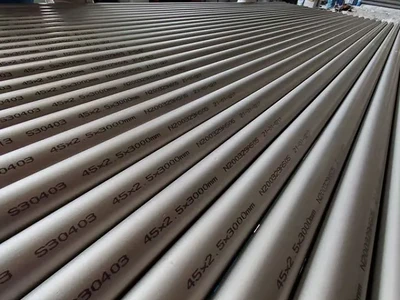
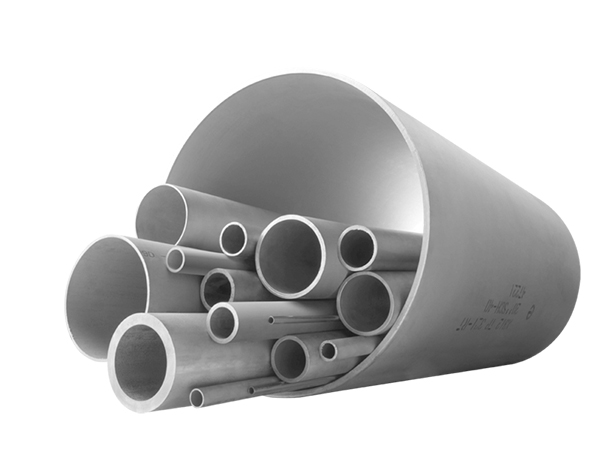
Stainless steel seamless pipes are widely recognized for their durability, corrosion resistance, and ability to perform under high-pressure environments. Unlike welded pipes, these pipes are manufactured without seams, which enhances their strength and reliability. This makes them indispensable in industries where safety, hygiene, and long-term performance are critical. As a leading stainless steel seamless pipes manufacturer, Guangxin PipeTech integrates strict quality standards and advanced testing technologies to ensure that every pipe meets international requirements such as ISO 9001 and PED certification, enabling them to be used with confidence in various demanding applications.
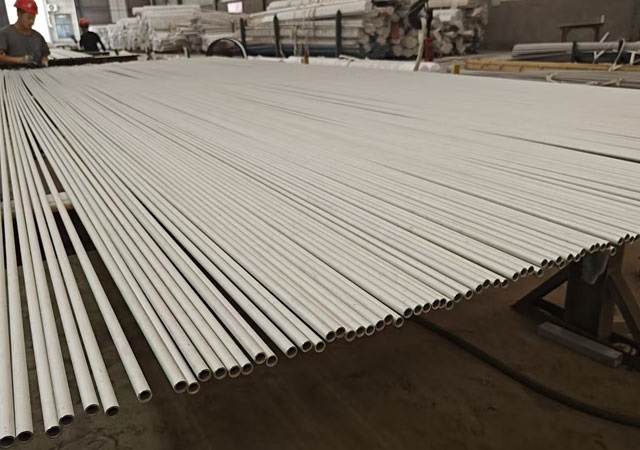
Stainless Steel Seamless Pipes in Energy and Petrochemical Sectors
The energy and petrochemical industries are some of the most prominent users of stainless steel seamless pipes. These environments expose materials to extreme temperatures, aggressive chemicals, and high pressures. Seamless pipes made from materials like 304, 316, and duplex stainless steel offer excellent resistance to corrosion and cracking, making them suitable for transporting oil, gas, and chemical fluids. In addition, their ability to withstand hydrostatic pressure testing ensures that they maintain integrity even under challenging conditions. With an annual production capacity exceeding 8,000 tons, Guangxin PipeTech supplies reliable piping solutions to meet the growing demands of the global energy market.
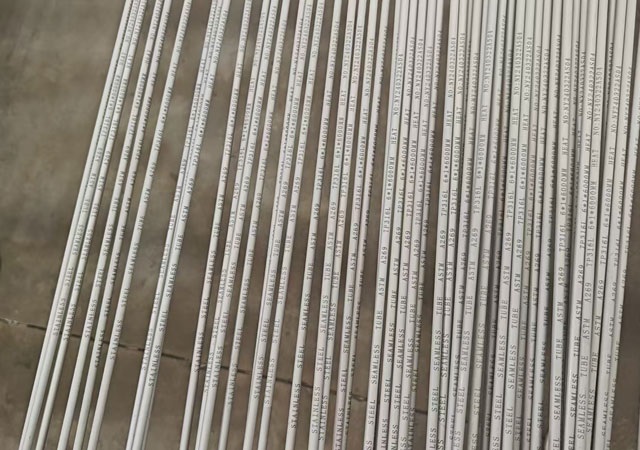
Comparing Stainless Steel Seamless Pipes with Welded Pipes
When choosing between seamless and welded pipes, industries must weigh the benefits of each. While both types of pipes have their applications, seamless pipes provide distinct advantages in critical environments.
Aspect | Stainless Steel Seamless Pipes | Welded Pipes |
Strength | No seam, uniform structure, higher strength under pressure | Weaker at the weld seam, less uniform |
Corrosion Resistance | Superior due to absence of welds where corrosion often starts | More vulnerable at welded joints |
Applications | High-pressure, high-temperature, critical industries | Low to medium pressure, general uses |
Testing & Reliability | Extensively tested with spectroscopic, eddy current, and hydrostatic methods | Easier to produce but less reliable in extreme conditions |
Cost Efficiency | Slightly higher cost but longer service life | Lower initial cost but higher risk of failure |
This comparison illustrates why many industries prefer stainless steel seamless pipes when safety, durability, and performance are priorities, despite their higher initial investment.
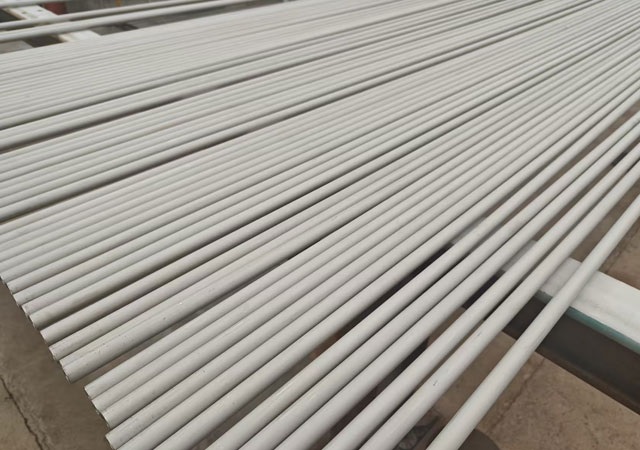
Applications in Construction and Infrastructure Development
In the construction industry, stainless steel seamless pipes are increasingly used for structural purposes, water distribution, and high-rise building frameworks. Their excellent load-bearing capacity and resistance to environmental damage make them an ideal choice for projects that demand both strength and aesthetic appeal. In modern infrastructure, stainless steel seamless pipes play a vital role in ensuring long-term sustainability by reducing maintenance needs and extending the lifespan of critical systems. Guangxin PipeTech, as an experienced stainless steel seamless pipes manufacturer, ensures that its products meet the strict specifications required for these projects.
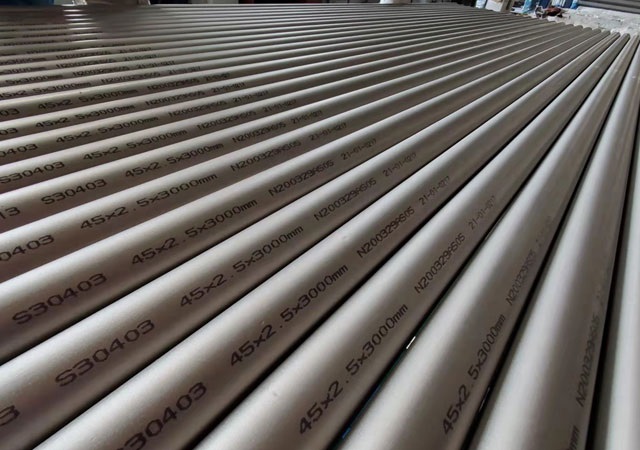
Stainless Steel Seamless Pipes in Food, Medical, and Marine Industries
Hygiene and safety are crucial in industries like food processing, pharmaceuticals, and marine engineering. Stainless steel seamless pipes are widely used in these fields because they are easy to sterilize, resistant to contamination, and capable of withstanding harsh conditions like saltwater exposure. In medical applications, the seamless construction eliminates crevices where bacteria could accumulate, ensuring sanitary fluid transport. In marine environments, their superior resistance to corrosion makes them indispensable for shipbuilding and offshore installations. These diverse applications highlight the adaptability and reliability of stainless steel seamless pipes across multiple industries.
FJGX
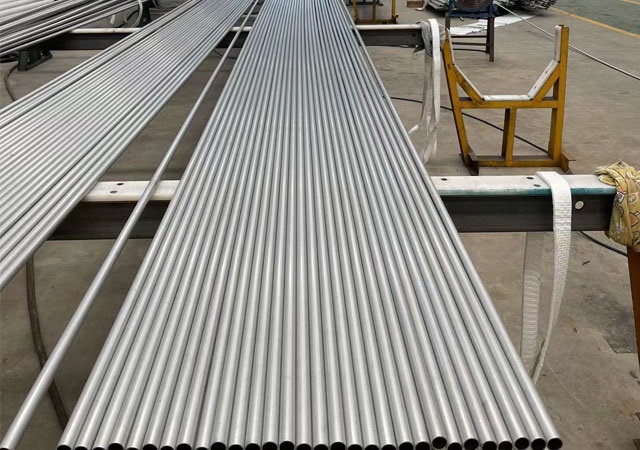
Leading Manufacturer of Stainless Steel Piping Solutions.