When it comes to choosing the right piping solution for industrial applications, one of the most common questions buyers face is: "Should I choose seamless pipes or welded pipes?"
The answer depends on your project's pressure requirements, budget, and application environment — but let's break it down from an industry expert's perspective.
1. What Are Seamless Pipes?
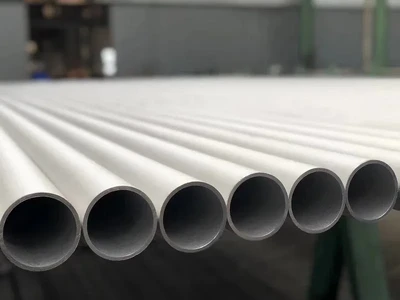
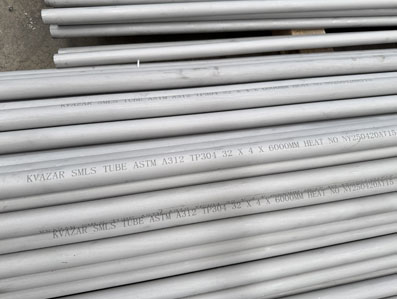
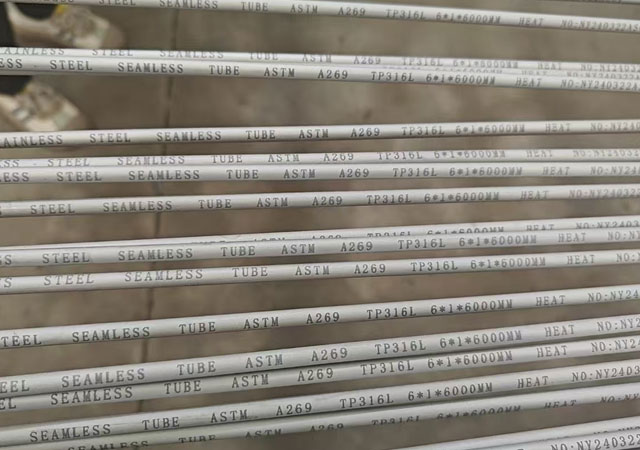
Seamless pipes are manufactured without a welded seam. They are produced through a solid round steel billet that is heated and pierced to form a hollow tube, then elongated to the desired length and thickness.
Because seamless pipes have no welded joint, they offer:
Higher strength and uniform structure
Excellent pressure resistance
Better performance under extreme temperatures and corrosive environments
These properties make seamless pipes the preferred choice for critical industries such as:
Oil and gas transmission
High-pressure boilers
Petrochemical processing
Offshore applications
2. What Are Welded Pipes?
Welded pipes, on the other hand, are made by rolling a steel plate or strip into a cylindrical shape and welding the seam — either longitudinally or spirally. After welding, the pipe undergoes processes like heat treatment and inspection to ensure structural integrity.
Welded pipes are ideal for low to medium pressure applications, offering:
They are widely used in:
3. Key Differences Between Seamless and Welded Pipes
| Feature | Seamless Pipes | Welded Pipes |
Manufacturing Process | Extruded from a solid billet | Formed and welded from steel plate or coil |
Seam | No seam – fully homogeneous | Has a longitudinal or spiral seam |
Strength | Higher mechanical strength | Slightly lower strength due to weld area |
Pressure Handling | Suitable for high-pressure and high-temperature service | Best for low to medium pressure systems |
Cost | More expensive due to complex manufacturing | More economical and easier to produce |
Size Range | Limited to smaller diameters (typically ≤ 24") | Available in larger diameters (up to 120") |
Inspection | Requires ultrasonic or eddy current testing | Requires weld integrity testing (X-ray, hydrostatic, etc.) |
4. Performance and Reliability: Why Seamless Pipes Dominate in Critical Sectors
When safety and performance are non-negotiable — for example, in oil exploration, chemical plants, or power generation systems — seamless pipes are the industry standard.
Because they lack a welded seam, they eliminate the weak point typically associated with welded pipes. This makes them particularly suitable for:
Moreover, seamless pipes have a more consistent roundness and thickness, resulting in better flow efficiency and reduced pressure drop over long distances.
5. Cost vs. Performance: Finding the Right Balance
From a commercial standpoint, cost-effectiveness plays a major role in material selection.
Seamless pipes involve higher production costs due to precision manufacturing and quality testing.
Welded pipes are more affordable and suitable for non-critical applications, such as structural support or low-pressure lines.
However, in long-term operations, the durability and reduced maintenance of seamless pipes often translate into lower lifecycle costs, especially in high-risk industries.
6. Standards and Material Grades
Both seamless and welded pipes follow international standards like:
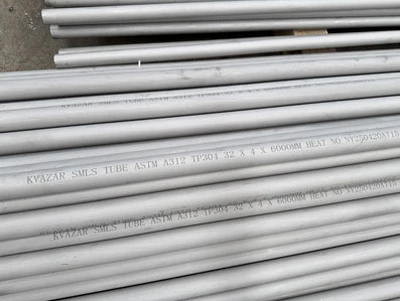
ASTM A312 – Austenitic stainless steel seamless and welded pipes
ASTM A106 / A53 – Carbon steel pipes
API 5L – Line pipes for oil and gas
Common stainless steel grades include 304, 304L, 316, 316L, and 321, each selected based on corrosion resistance, strength, and service conditions.
7. Choosing the Right Pipe for Your Project
The choice between seamless and welded pipes depends on:
Operating pressure and temperature
Corrosive or non-corrosive environment
Budget constraints
Pipe diameter and thickness requirements
In high-pressure or high-temperature environments, seamless pipes are typically the preferred choice.
For structural or low-pressure systems, welded pipes offer a more economical alternative without sacrificing functionality.
8. Why GxpipeTech Is Your Trusted Supplier
At GxpipeTech, we specialize in manufacturing and supplying high-quality stainless steel seamless pipes and fittings for industrial use.
With years of experience serving global distributors and EPC contractors, we understand the precise technical standards and project demands of the energy, petrochemical, and construction sectors.
Our seamless pipes are:
Manufactured under strict quality control
Certified to international standards (ASTM, ASME, EN, ISO)
Available in custom dimensions and finishes
Whether you need pipes for high-pressure steam lines, offshore platforms, or refinery applications, our technical team ensures that every product delivers maximum reliability and performance.
Conclusion
In summary, the main difference between seamless and welded pipes lies in their manufacturing process and performance capabilities.
Seamless pipes offer superior strength and reliability for demanding environments, while welded pipes provide an economical solution for general applications.
When performance, safety, and long-term durability matter, seamless pipes remain the professional' choice — and GxpipeTech is here to deliver them with precision and quality you can trust.
FJGX
Leading Manufacturer of Stainless Steel Piping Solutions.