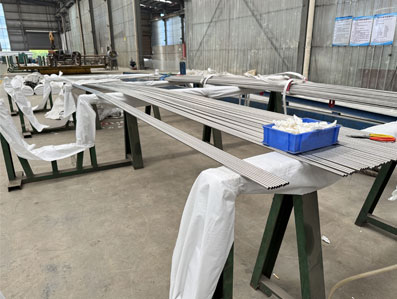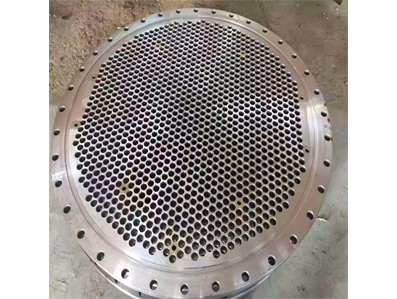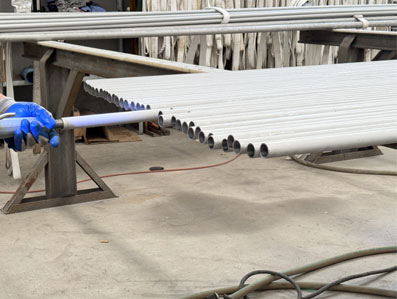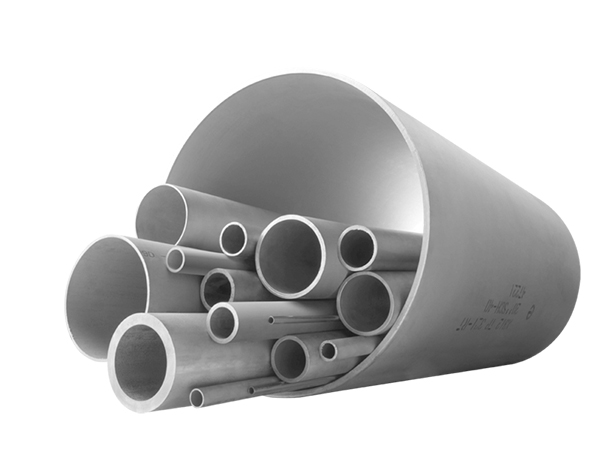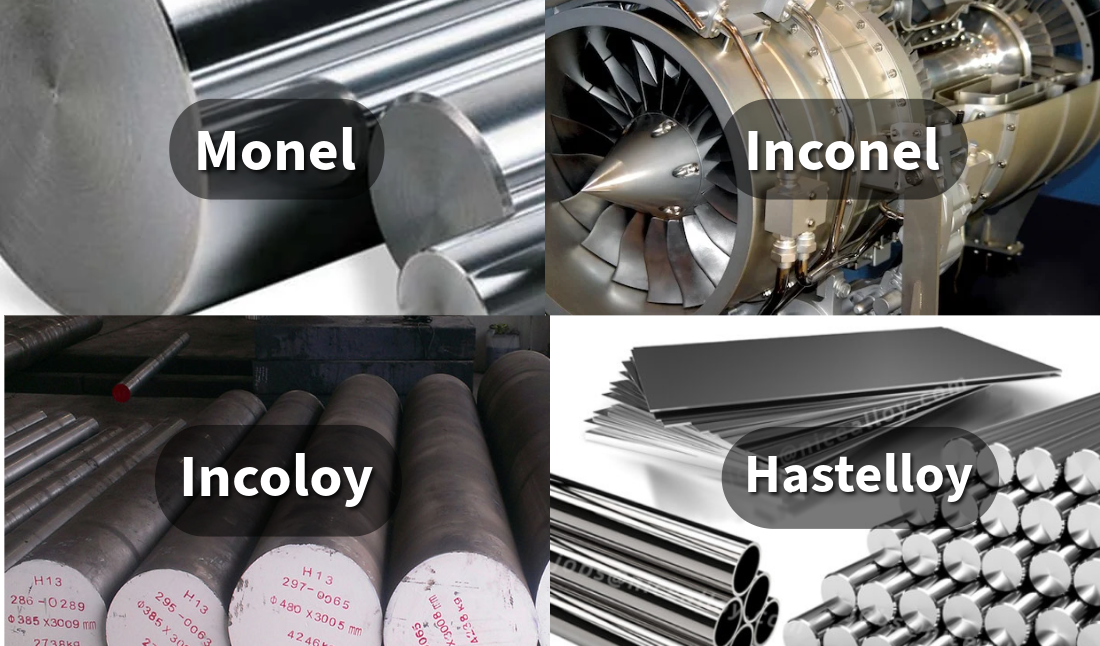
Inconel pipes are selected for high-temperature and high-stress environments, Monel pipes excel in seawater and hydrofluoric acid service, and Hastelloy pipes are preferred for extreme corrosion resistance in aggressive chemical processes. While all three are nickel-based alloys, their performance envelopes differ significantly.
Selecting the right seamless nickel alloy pipe depends on temperature, corrosion media, pressure, and long-term reliability requirements.
What distinguishes monel vs inconel vs hastelloy pipes?
The primary differences among monel vs inconel vs hastelloy are alloy composition and resulting performance characteristics.
Inconel: Nickel–chromium-based; optimized for high temperature strength and oxidation resistance
Monel: Nickel–copper-based; outstanding resistance to seawater and HF acid
Hastelloy: Nickel–chromium–molybdenum-based; exceptional resistance to localized corrosion and chemical attack
These differences drive where each alloy performs best in industrial piping systems.
When should Inconel pipes be used?
Inconel pipes are chosen where temperature and mechanical stress dominate material selection.
They are commonly used when:
Operating temperatures are very high
Creep and oxidation resistance are critical
Thermal cycling is frequent
Mechanical strength must be retained at elevated temperatures
Typical applications
Inconel seamless pipes, such as inconel 718 seamless pipe, maintain strength where many stainless steels and copper-based alloys fail.
Why are Monel pipes preferred in marine and chemical service?
Monel pipes offer excellent corrosion resistance in chloride-rich and acidic environments.
They are widely used when:
Exposure to seawater or brine is continuous
Hydrofluoric acid resistance is required
Galvanic corrosion must be minimized
Typical applications
Monel alloys provide long service life in environments where stainless steels may pit or fail prematurely.
What makes Hastelloy pipes suitable for extreme corrosion environments?
Hastelloy pipes are engineered for severe chemical resistance, especially where multiple corrosion mechanisms are present.
They are selected when:
Strong acids or mixed chemicals are involved
Pitting, crevice corrosion, or SCC is a concern
Process reliability is critical and downtime is costly
Typical applications
For these environments, a Hastelloy seamless nickel alloy pipe often delivers the lowest lifecycle cost despite a higher initial price.
How do temperature limits compare among these alloys?
Temperature capability is a major differentiator.
Inconel performs best at very high temperatures and retains strength
Hastelloy offers good high-temperature performance with superior corrosion resistance
Monel is typically used at moderate temperatures, prioritizing corrosion resistance over heat strength
Selecting an alloy outside its optimal temperature range can reduce service life and compromise safety margins.
Which alloy offers the best corrosion resistance?
The answer depends on the corrosion mechanism.
Hastelloy: Best overall resistance to aggressive acids and localized corrosion
Monel: Excellent in seawater, brine, and HF acid
Inconel: Strong oxidation and high-temperature corrosion resistance
Understanding the process media is essential before selecting a seamless nickel alloy pipe.
Are these nickel alloy pipes interchangeable?
They are not interchangeable without engineering review.
Each alloy is designed for specific:
Chemical environments
Temperature ranges
Mechanical loads
Industry standards
Substituting one alloy for another based on availability or cost can result in premature failure or non-compliance with design codes.
How do standards and manufacturing methods affect selection?
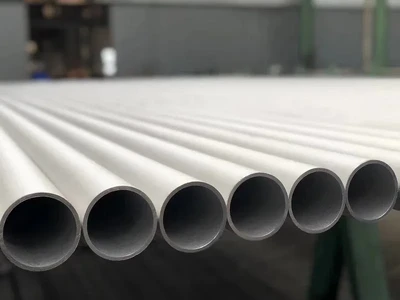
Nickel alloy pipes are typically supplied as seamless pipes to ensure structural integrity in critical service.
Common standards include:
ASTM and ASME material specifications
Project-specific corrosion and pressure requirements
Enhanced inspection and testing for critical applications
Working with a manufacturer experienced in seamless nickel alloy pipe production ensures correct heat treatment, dimensional accuracy, and traceability.
Which nickel alloy pipe is the right choice for your project?
Material selection should consider:
Operating temperature and pressure
Corrosion media and concentration
Required service life
Inspection and maintenance strategy
Inconel, Monel, and Hastelloy pipes each solve different engineering problems. Selecting the correct alloy from the outset reduces risk, improves safety, and optimizes total lifecycle cost.
Monel vs Inconel vs Hastelloy Pipes – Technical Comparison
| Aspect | Inconel Pipes | Monel Pipes | Hastelloy Pipes |
Alloy Base | Nickel–Chromium | Nickel–Copper | Nickel–Chromium–Molybdenum |
Typical Grades | Inconel 600, 625, 718 | Monel 400, Monel K 500 | Hastelloy C-276, Hastelloy C-22 |
Primary Strength | High-temperature strength | Marine & acid corrosion resistance | Extreme chemical corrosion resistance |
Temperature Capability | Excellent at very high temperatures | Moderate temperature service | High temperature with corrosion resistance |
Oxidation Resistance | Excellent | Good | Very good |
Resistance to Chlorides | Good | Excellent | Excellent |
Resistance to Acids | Moderate | Excellent (HF acid) | Excellent (strong & mixed acids) |
Stress Corrosion Cracking | Very high resistance | Very high resistance | Excellent resistance |
Mechanical Strength | Very high | Moderate | High |
Typical Pipe Form | Seamless nickel alloy pipe | Seamless nickel alloy pipe | Seamless nickel alloy pipe |
Weldability | Good, requires expertise | Good | Good, controlled procedures |
Relative Cost | High | Medium–High | Very high |
Typical Applications | Power, heat exchangers, turbines | Marine, offshore, HF processing | Chemical reactors, acid plants |
Making the right alloy choice ensures long-term performance
Nickel alloy pipes are premium materials designed for environments where failure is not an option.
Inconel delivers strength at extreme temperatures
Monel excels in marine and HF acid service
Hastelloy provides unmatched corrosion resistance in harsh chemical environments
C
hoosing the appropriate seamless nickel alloy pipe—based on real operating conditions rather than assumptions—ensures reliable performance, regulatory compliance, and long-term value in critical piping systems.
FJGX
Leading Manufacturer of Stainless Steel Piping Solutions.