In industrial applications where pressure, temperature, and corrosion resistance are critical, choosing the right pipe material can make or break a system's performance. While carbon steel, alloy steel, and stainless steel seamless pipes are all widely used across industries, each has unique mechanical and chemical characteristics that determine its suitability for specific environments.
This article compares these three categories from a technical and commercial perspective, helping procurement specialists and project engineers make informed purchasing decisions.
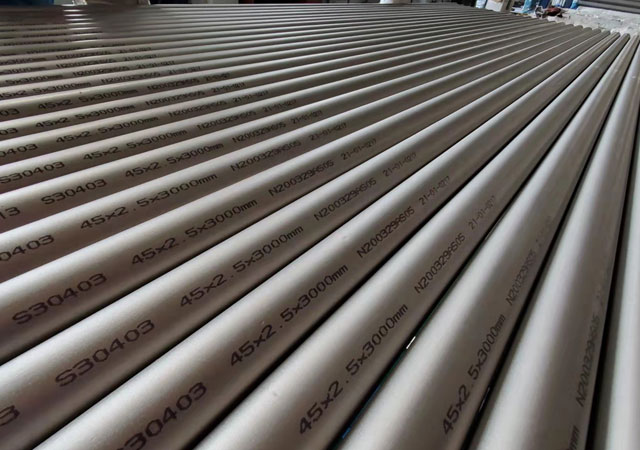
1. Understanding the Core Difference
The key distinction among these materials lies in composition and performance.
| Type | Main Alloying Elements | Primary Strength | Typical Applications |
Carbon Steel Seamless Pipes | Iron and carbon (≤2.1%) | Strength and cost-efficiency | Structural use, general fluid transport |
Alloy Steel Seamless Pipes | Carbon + chromium, molybdenum, nickel, vanadium | High-temperature and high-pressure resistance | Power plants, refineries, heat exchangers |
Stainless Steel Seamless Pipes | Iron + chromium (≥10.5%) + nickel, molybdenum | Corrosion resistance and hygiene | Chemical plants, food industry, offshore systems |
Each type serves a different engineering purpose, and selecting the right one depends on operating conditions, corrosion environment, and service life expectations.
2. Carbon Steel Seamless Pipes: Strength with Simplicity
Carbon steel seamless pipes remain a workhorse material in many industries due to their excellent strength-to-cost ratio.
Key Advantages
High tensile strength and impact resistance
Good machinability and weldability
Low cost and easy availability
Limitations
Poor corrosion resistance, especially in humid or acidic environments
Requires protective coatings or galvanization for extended life
Common Applications
Water, gas, and steam transmission lines
Structural and mechanical systems
Low- to medium-pressure services in power and industrial plants
Industry Note: While carbon steel offers excellent strength, it's not ideal for corrosive or high-temperature applications where oxidation or scaling occurs rapidly.
3. Alloy Steel Seamless Pipes: Engineered for Performance
Alloy steel pipes take the base strength of carbon steel and enhance it by adding specific alloying elements such as chromium, molybdenum, and nickel. These elements improve hardness, wear resistance, and high-temperature strength.
Key Advantages
Superior mechanical properties at elevated temperatures
Enhanced creep and fatigue resistance
Improved corrosion and oxidation resistance compared to plain carbon steel
Common Applications
Power generation boilers and heat exchangers
Refineries and petrochemical reactors
High-pressure steam pipelines
Industry Insight
For industries operating in thermal or pressure-intensive environments, such as oil refineries and thermal plants, alloy steel seamless pipes are the reliable choice for sustained performance under extreme stress.
4. Stainless Steel Seamless Pipes: The Ultimate in Corrosion Resistance
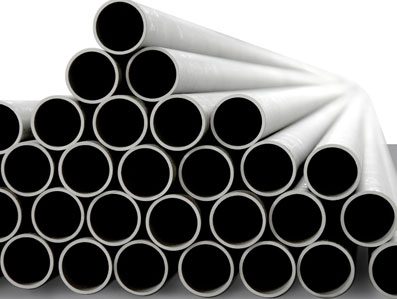
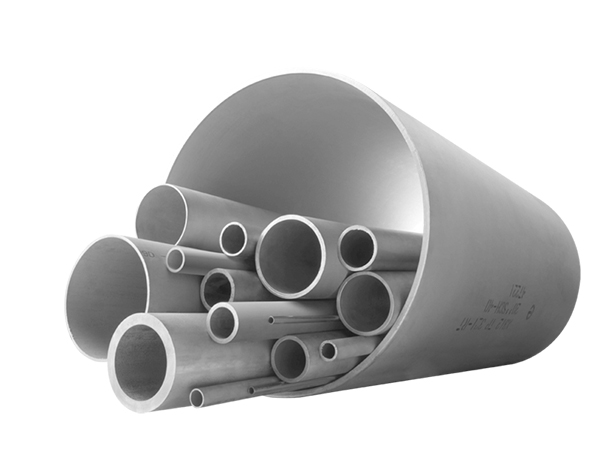
When corrosion control, hygiene, and longevity are top priorities, stainless steel seamless pipes are the undisputed standard. These pipes are alloyed with chromium, nickel, and molybdenum, forming a passive layer that prevents oxidation and corrosion.
Key Advantages
Exceptional resistance to rust, scaling, and chemical corrosion
Smooth internal surface for clean fluid transport and minimal friction loss
Excellent performance in both high- and low-temperature applications
Long service life with minimal maintenance
Common Grades
304 / 304L: General-purpose grade for moderate corrosion environments
316 / 316L: Enhanced molybdenum content for superior pitting resistance
321 / 347: Titanium or niobium stabilized for high-temperature stability
Common Applications
Chemical and petrochemical processing
Food and pharmaceutical industries
Marine, offshore, and cryogenic systems
High-purity gas and fluid pipelines
Industry Insight
The higher upfront cost of stainless steel seamless pipes is justified by their long-term reliability, reduced downtime, and compliance with hygienic and safety standards — essential in industries where contamination or corrosion can lead to catastrophic losses.
5. Comparative Performance Overview
| Property | Carbon Steel | Alloy Steel | Stainless Steel |
Tensile Strength | Moderate | High | High |
Temperature Resistance | Up to ~425°C | Up to ~600°C | Up to ~870°C |
Corrosion Resistance | Poor | Moderate | Excellent |
Cost | Low | Medium | High |
Maintenance | Moderate | Moderate | Low |
Longevity | Short | Medium | Long |
In short:
Carbon steel → Best for low-cost, general applications.
Alloy steel → Best for high-pressure, high-temperature systems.
Stainless steel seamless pipes → Best for corrosion-critical and hygienic industries.
6. Lifecycle Cost Considerations
Procurement often focuses on initial cost — but in industrial systems, total cost of ownership (TCO) tells the full story.
Carbon steel requires regular maintenance and coating renewal.
Alloy steel extends service life but may need periodic heat treatment.
Stainless steel seamless pipes, while costlier upfront, offer decades of operation with minimal intervention — translating to lower long-term costs.
For buyers planning large-scale projects or seeking long-term reliability, stainless steel seamless pipes often deliver the best ROI (Return on Investment).
7. Compliance and Certification Standards
All three pipe types are manufactured under strict global standards, ensuring quality, consistency, and traceability.
Carbon and Alloy Steel: ASTM A106, A335, API 5L
Stainless Steel Seamless Pipes: ASTM A312, A213, ASME SA312, EN 10216-5
At GxpipeTech, our stainless steel seamless pipes undergo non-destructive testing (NDT) — including ultrasonic, hydrostatic, and eddy current inspections — to ensure they meet the demands of high-pressure, high-temperature, and corrosive service conditions.
8. Choosing the Right Pipe for Your Industry
When selecting materials for your project, consider:
Operating pressure and temperature range
Fluid type and corrosiveness
Required lifespan and maintenance accessibility
Project budget and procurement volume
For critical applications where corrosion, hygiene, or temperature fluctuations are significant, stainless steel seamless pipes remain the preferred choice — ensuring both safety and performance across diverse industrial sectors.
9. Why Partner with GxpipeTech
At GxpipeTech, we are not just manufacturers — we are technical partners for industrial buyers.
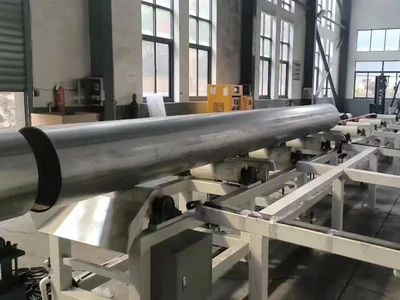
Our stainless steel seamless pipes are produced with advanced piercing, extrusion, and cold-drawing technology to achieve:
We supply to global distributors, EPC contractors, and industrial project owners, ensuring on-time delivery, consistent quality, and competitive wholesale pricing.
Conclusion
The choice between carbon steel, alloy steel, and stainless steel seamless pipes ultimately depends on the operating environment and project demands.
Carbon steel suits general applications at lower cost.
Alloy steel offers the strength needed for heat and pressure.
Stainless steel seamless pipes deliver unmatched corrosion resistance and longevity.
For buyers prioritizing safety, reliability, and lifecycle efficiency, stainless steel remains the industry benchmark — and GxpipeTech is your trusted source for precision-engineered solutions.
FJGX
Leading Manufacturer of Stainless Steel Piping Solutions.