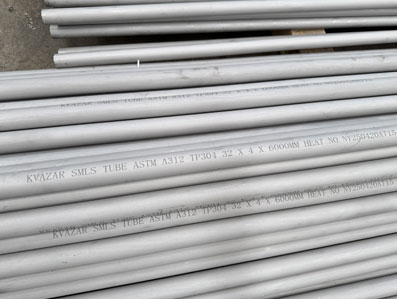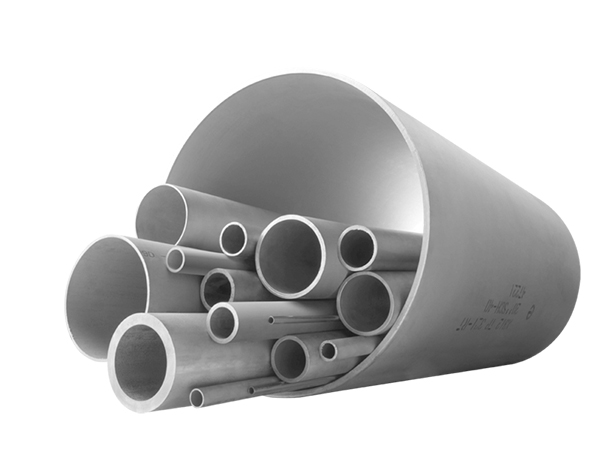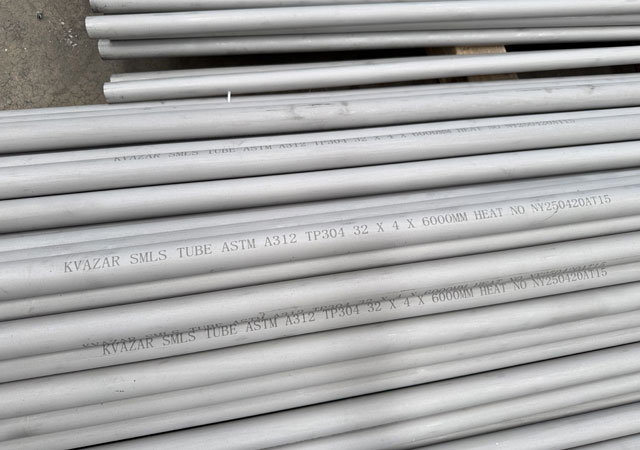
Duplex stainless steel pipes are commonly specified under ASTM material standards, ASME pressure piping codes, and EN European norms, depending on project location, service conditions, and regulatory requirements. In practice, ASTM defines the material grade and chemical composition, ASME governs pressure service and design compliance, and EN standards dominate European EPC projects and metric-based systems. Selecting the correct standard is critical for pressure integrity, corrosion resistance, and inspection approval—especially when sourcing from a qualified duplex stainless steel pipe factory.
What standards are used for duplex stainless steel pipes?
Duplex stainless steel pipes are controlled by multiple overlapping standards, each covering a specific technical scope:
ASTM standards: Material grade, chemical composition, mechanical properties
ASME standards: Pressure service, piping codes, allowable stress
EN standards: European material designations, dimensions, and conformity
Understanding how these standards interact prevents mismatches between material certification and system design requirements.
ASTM standards for duplex stainless steel pipes
ASTM A790 – The primary duplex pipe standard
ASTM A790 is the most widely referenced specification for seamless and welded duplex stainless steel pipes.
It defines:
Chemical composition limits
Mechanical properties
Heat treatment requirements
Testing and inspection criteria
Common duplex grades covered include:
UNS S31803
UNS S32205 (2205 duplex)
For most global projects, ASTM A790 is the baseline material specification used by any reputable duplex stainless steel pipe factory.
ASTM A928 – Welded duplex pipe for critical service
ASTM A928 applies to electric fusion welded (EFW) duplex pipes, often required in larger diameters or heavy-wall applications.
This standard includes:
Additional non-destructive testing
More stringent weld quality requirements
Enhanced inspection for pressure service
It is commonly specified for offshore, marine, and high-integrity piping systems.
ASME standards and their role in duplex pipe selection
ASME B31 piping codes
While ASTM defines the material, ASME B31 codes govern how duplex stainless steel pipes are used in pressure systems.
Relevant codes include:
These codes define:
Compliance with ASME B31 is essential for pressure piping approval in many regions.
ASME Section II – Material properties and allowable stress
ASME Section II provides:
Even when pipes are supplied to ASTM standards, ASME Section II determines whether the material is acceptable for code-stamped systems.
EN standards for duplex stainless steel pipes
EN 10216-5 and EN 10217-7
For European projects, duplex stainless steel pipes are typically specified under:
These standards define:
EN material grades (e.g. 1.4462)
Mechanical and chemical requirements
Dimensional tolerances
European conformity rules
EN standards are mandatory for many EU-based EPC projects and public infrastructure contracts.
Differences between EN and ASTM systems
EN standards use:
ASTM and ASME systems use:
Inch-based dimensions (NPS)
UNS material designations
Pressure class-based design
Understanding these differences is critical when duplex pipes must interface with mixed-standard piping systems.
ASTM vs ASME vs EN – Technical Comparison for Duplex Stainless Steel Pipes
| Aspect | ASTM Standards | ASME Standards | EN Standards |
Primary Role | Material specification | Pressure piping and design code | European material and product standards |
Main Purpose | Defines chemical composition and mechanical properties | Governs allowable stress, pressure, and system design | Defines materials, dimensions, and conformity for EU projects |
Typical Pipe Standards | ASTM A790, ASTM A928 | ASME B31.3, ASME B31.1, ASME Section II | EN 10216-5, EN 10217-7 |
Coverage Scope | Material grade and testing | Design, fabrication, inspection, operation | Material, manufacturing, and dimensional requirements |
Size System | Inch-based (NPS) | Inch-based (NPS) | Metric (DN) |
Material Designation | UNS (e.g. S31803, S32205) | ASTM / UNS referenced | EN material numbers (e.g. 1.4462) |
Pressure & Temperature Limits | Not defined for system design | Clearly defined allowable stresses | Indirectly defined via PN and material limits |
Application Regions | Global | Global | Europe |
Certification Focus | Material Test Reports (MTR) | Code compliance and inspection | CE conformity and EN certification |
Typical Use in Projects | Base material specification | Mandatory for pressure piping approval | Required for EU EPC and public projects |
Role in Procurement | Confirms material quality | Confirms system safety | Confirms regional compliance |
How do standards affect corrosion and performance requirements?
Duplex stainless steel pipes are often selected for chloride resistance, strength, and stress corrosion cracking resistance.
Standards ensure:
Proper ferrite–austenite phase balance
Minimum PREN (Pitting Resistance Equivalent Number)
Correct heat treatment and cooling procedures
Selecting a compliant standard ensures the material performs as intended in aggressive environments.
Are ASTM, ASME, and EN standards interchangeable?
They are not directly interchangeable, but they can be technically equivalent when properly evaluated.
Equivalence requires:
Chemical composition comparison
Mechanical property alignment
Pressure design validation
Client and inspector approval
Experienced buyers who want to buy duplex seamless pipe often work with a duplex stainless steel pipe factory that can provide dual-certified products or cross-standard documentation when required.
How should buyers specify duplex stainless steel pipes correctly?
A complete specification should include:
Material standard and grade
Manufacturing method (seamless or welded)
Applicable pressure code
Size, schedule, and length
Testing and inspection requirements
Clear specifications reduce procurement risk and avoid delays during inspection and commissioning.
Standards selection impacts long-term system reliability
Selecting the correct ASTM, ASME, or EN standard is not a paperwork exercise—it determines whether duplex stainless steel pipes meet pressure integrity, corrosion resistance, and regulatory compliance requirements.
ASTM ensures material quality
ASME ensures pressure safety
EN ensures European conformity
For engineered piping systems, working with a qualified duplex stainless steel pipe factory that understands these standards is essential for safe operation and long-term performance.
FJGX
Leading Manufacturer of Stainless Steel Piping Solutions.