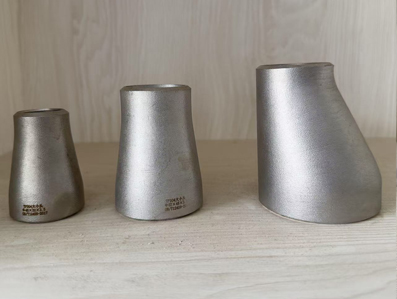
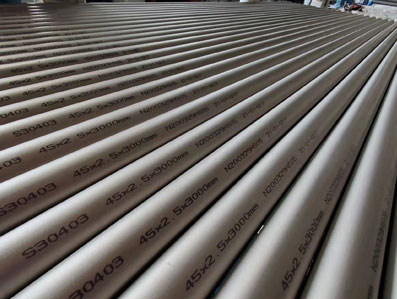
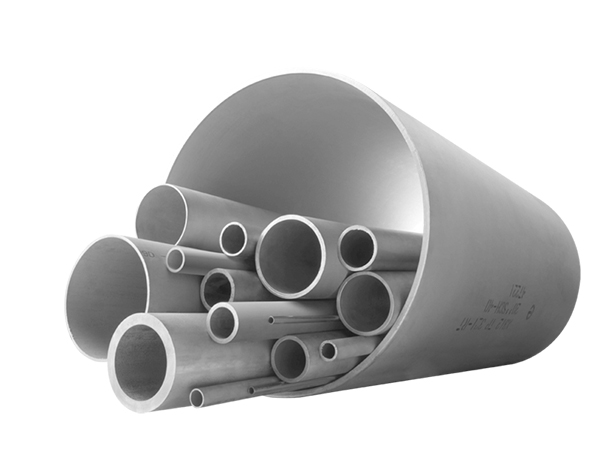
Seamless nickel alloy pipes have become a key material in marine engineering due to their exceptional corrosion resistance, high mechanical strength, and reliability in extreme environments. These pipes are widely used in shipbuilding, offshore oil and gas platforms, and desalination plants, where exposure to seawater and harsh operational conditions requires materials that can maintain performance over long periods. As a trusted supplier, Guangxin PipeTech produces high-quality seamless nickel alloy pipes that meet international standards and the demanding needs of marine applications.
Corrosion Resistance in Harsh Marine Environments
The primary advantage of a seamless nickel alloy pipe in marine applications is its outstanding corrosion resistance. Nickel alloys are inherently resistant to chloride-induced pitting and crevice corrosion, which are common in seawater environments. This makes them ideal for pipelines, heat exchangers, and other marine systems where constant exposure to saline water can rapidly degrade less resistant metals. Guangxin PipeTech ensures that each pipe undergoes advanced testing, including spectroscopic analysis and eddy current testing, to guarantee chemical composition uniformity and surface integrity. This rigorous quality control allows seamless nickel alloy pipes to withstand prolonged exposure to aggressive marine conditions without compromising safety or functionality.
Mechanical Strength and Durability
In addition to corrosion resistance, seamless nickel alloy pipes offer exceptional mechanical properties, which are crucial for withstanding the dynamic loads and high-pressure environments often encountered at sea. The seamless construction eliminates weld seams, which are common points of weakness, enhancing the pipe’s overall strength and reliability. Nickel alloy pipes produced by Guangxin PipeTech demonstrate excellent tensile strength, impact resistance, and fatigue performance, making them capable of enduring both static and fluctuating marine loads. These properties ensure the long-term operational reliability of pipelines, fluid transport systems, and structural components in offshore and naval applications.
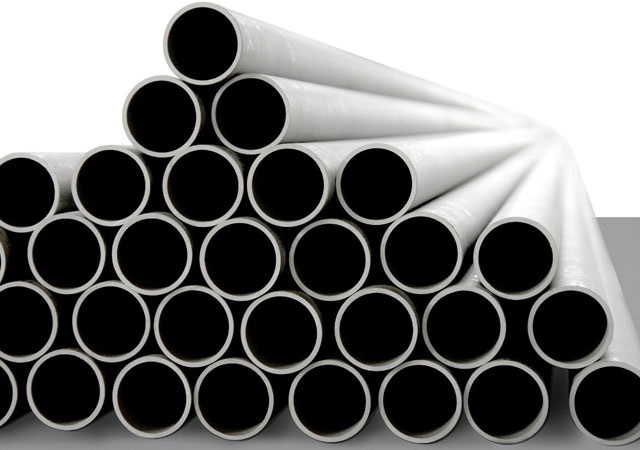
Comparing Seamless Nickel Alloy Pipes with Other Materials
When selecting piping materials for marine environments, engineers often compare nickel alloys with stainless steel and carbon steel alternatives. The differences highlight why seamless nickel alloy pipes are increasingly favored.
Aspect | Seamless Nickel Alloy Pipe | Stainless Steel Pipe | Carbon Steel Pipe |
Corrosion Resistance | Excellent in seawater and chloride-rich environments | Good but prone to pitting in saltwater | Poor, requires heavy coating or maintenance |
Mechanical Strength | High tensile and fatigue resistance | Moderate strength, weaker under fluctuating loads | Low strength, prone to deformation |
Longevity | Long service life with minimal maintenance | Medium, requires periodic inspections | Short, prone to rapid deterioration |
Cost Efficiency | Higher initial cost, offset by durability and low maintenance | Moderate cost, higher maintenance | Low cost, high maintenance and replacement needs |
Application Scope | Offshore platforms, desalination, naval systems | General marine piping, some seawater systems | Limited, mostly protected or freshwater use |
This comparison emphasizes that seamless nickel alloy pipes provide the best balance of performance, reliability, and long-term cost-effectiveness in marine environments.
Typical Marine Applications
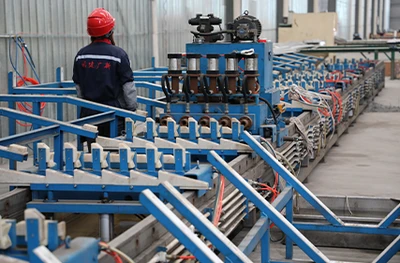
Seamless nickel alloy pipes are extensively used in various marine applications, including seawater cooling systems, chemical transfer lines, and high-pressure steam pipelines. They are also employed in offshore oil and gas extraction for transporting corrosive fluids, in desalination plants for brine handling, and in naval vessels for both structural and fluid transport purposes. The combination of seamless construction, corrosion resistance, and high mechanical strength allows these pipes to meet stringent marine engineering requirements while ensuring minimal maintenance and long-term service reliability. Guangxin PipeTech, with its five production workshops and over 50 sets of manufacturing and testing equipment, is well-equipped to provide customized nickel alloy solutions tailored for specific marine projects.
Long-Term Performance and Reliability
The reliability of seamless nickel alloy pipes in marine applications is further enhanced by advanced testing and quality assurance measures. Hydrostatic testing, eddy current inspection, and spectroscopic analysis ensure that each pipe meets strict standards for chemical composition, mechanical integrity, and surface quality. This attention to detail guarantees that pipes maintain their structural integrity and performance even under prolonged exposure to corrosive, high-pressure, and high-temperature marine environments. The result is a robust and durable solution that ensures safe and efficient operation for years, making seamless nickel alloy pipes an essential choice for demanding marine applications.
FJGX
Leading Manufacturer of Stainless Steel Piping Solutions.