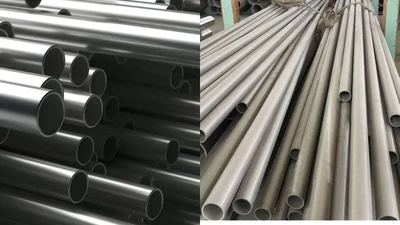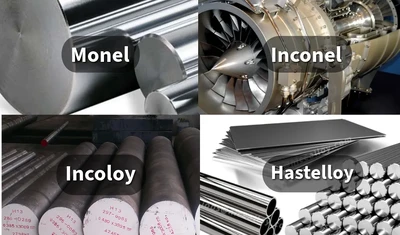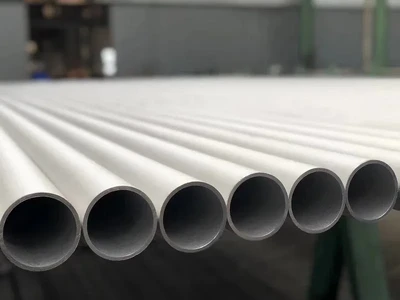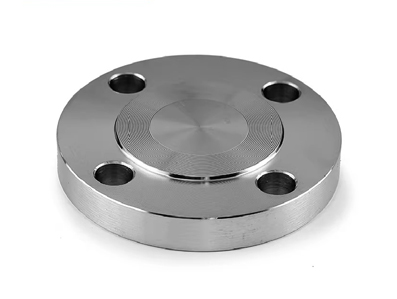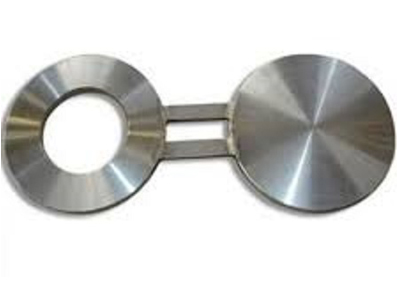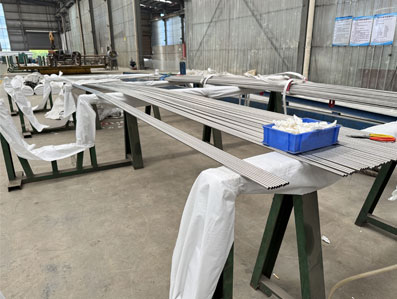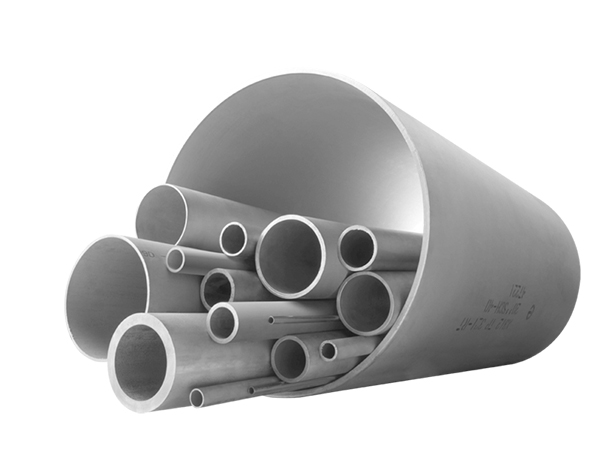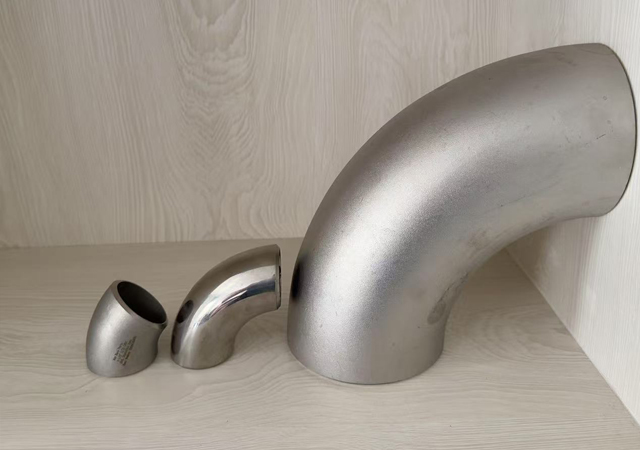
Leaking flanges causing downtime? Our precision stainless steel butt-welded fittings form permanent, leak-proof connections built for high-pressure, corrosive, and extreme-temperature applications. Fujian Guangxin PipeTech produces ASME and EN-compliant stainless steel butt-welded fittings in 304, 316, duplex, and nickel alloys—including elbows, tees, reducers, and caps—with strict material certification and non-destructive testing (NDT) for guaranteed performance. We are capable of delivering over 8,000 tons annually of high-performance stainless steel pipe components worldwide. Here's how we ensure reliability at every step.
Why Choose Guangxin PipeTech for Stainless Steel Butt-Welded Elbows?
Direction changes in piping systems demand precision. Our elbows minimize turbulence and erosion in chemical, oil & gas, and marine applications. Available in 45°, 90°, and 180° angles, our stainless steel elbows are hot-formed from certified 304/316/duplex materials, with polished internal surfaces (Ra ≤12.5µm) for optimal flow, and undergo full-spectrum NDT, including hydrostatic and PMI testing.
Using a 5,000-ton hydraulic press and CNC-controlled induction heating, we produce consistent wall thickness in SCH 10S to SCH XXS, compliant with ASME B16.9 and EN 10253-2. Each batch includes:
Material traceability (Mill test reports per EN 10204 3.1/3.2)
Beveled ends (37.5° ±1° for perfect weld alignment)
Optional solution annealing for stress relief in duplex grades
Industrial applications include offshore platforms (NACE MR0175 compliant), pharmaceutical CIP/SIP systems, and high-purity chemical transfer.
What Makes Our Butt-Welded Tees Ideal for Corrosive Environments?
Branch connections in chemical processing require zero contamination risks. Our seamless-fabricated tees eliminate weak points.
Our equal/reducing tees in 316L and super duplex feature extruded outlets without filler welds, preventing crevice corrosion. X-ray and dye penetrant testing ensure defect-free fabrication for sulfuric acid, seawater, and urea service.
Key features:
Sizes: ½" to 24" NB (DN15–DN600)
Pressure ratings: Class 150 to 2500 (PN16–PN420)
Special options: Electro-polished finishes (Ra ≤0.8µm) for semiconductor use
Case study: 320 duplex steel tees supplied to a Middle East desalination plant have operated 5+ years without failure despite 50,000 ppm chloride exposure.
How Do We Guarantee Leak-Free Reducers and Caps?
Improper size transitions cause erosion and leaks. Our CNC-machined reducers and caps prevent such failures.
Concentric reducers (for vertical lines) and top-flat eccentric reducers (for pump suction) undergo ultrasonic thickness mapping to verify uniform material distribution. Hemispherical caps include RT testing for hazardous fluids.
Production process highlights:
Material cut via plasma laser (0.1mm precision)
Hot-formed at 1,150°C (2102°F) for grain structure stability
100% inspected via eddy current (ASTM E426)
Conclusion
From pharmaceutical-grade 316L elbows to X-ray-inspected duplex reducers, Fujian Guangxin PipeTech delivers stainless steel butt-welded fittings that outperform under extreme conditions—backed by mill certifications, NDT reports, and 24/7 technical support.
FJGX
Leading Manufacturer of Stainless Steel Piping Solutions.