
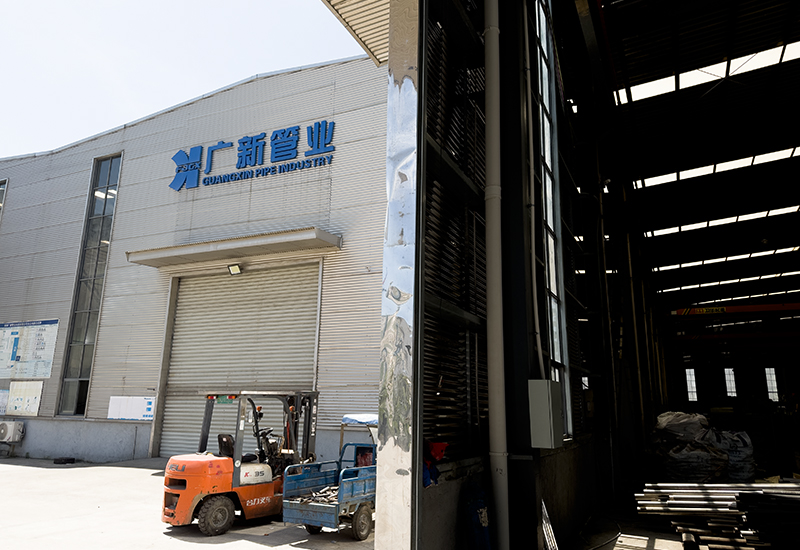
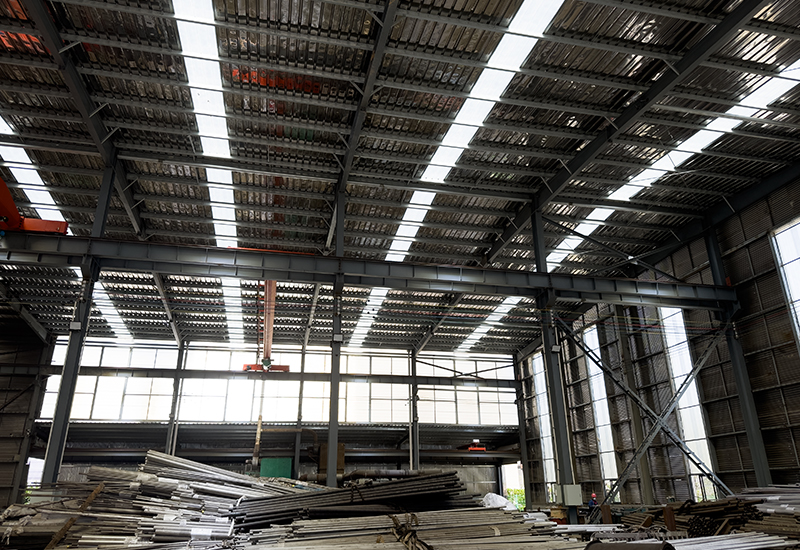
Headquarter Add:No.1158 Yongzhong West Road, Wenzhou, Zhejiang, China 325000
Pipe Factory Add:Lidun Industrial Park, Zhouning County, Ningde City, Fujian,China
Fitting Factory Add:No. 989, Lingde Road, Wenzhou City, Zhejiang Province, China

-
Products
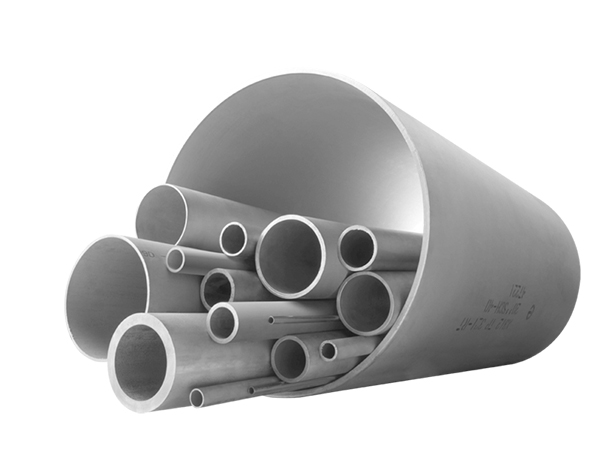
- Stainless Steel Seamless Pipes
- Stainless Steel Seamless Tube
- Duplex Stainless Steel Seamless Pipe
- Duplex Stainless Steel Seamless Tube
- Nickel Alloy Seamless Pipe
- Nickel Alloy Seamless Tube
- Incoloy Seamless Pipe
- Incoloy Seamless Tube
- Inconel Seamless Pipe
- Inconel Seamless Tube
- FAQs about Seamless Pipe
- Grades
- Applications
- Price List
- Blog
- About
- Contact