When operating in high-pressure systems — such as oil refineries, chemical plants, or power generation lines — reliability is non-negotiable. Engineers and procurement managers consistently choose seamless pipes over welded alternatives for one key reason: superior performance under extreme pressure.
Let's explore why seamless pipes dominate in these demanding environments and what technical advantages they offer to industrial projects.
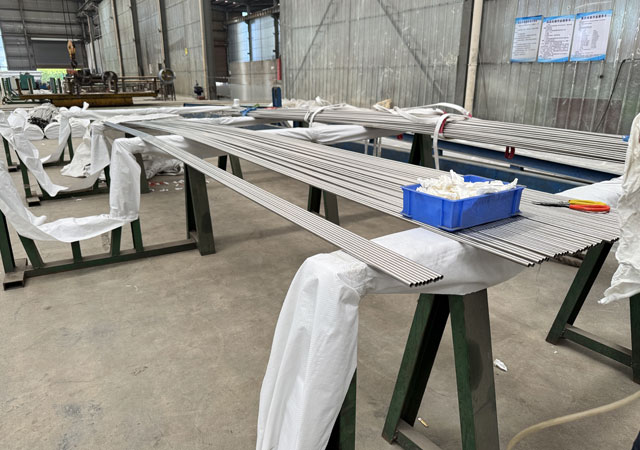
1. No Welded Seam Means No Weak Point
The most critical distinction is structural integrity.
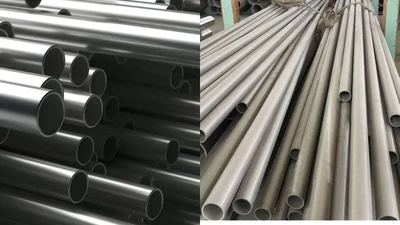
Seamless pipes are manufactured from a solid round billet that is pierced and elongated into a hollow form — without any welded joint. This continuous grain structure ensures:
Uniform metal strength across the entire length
No risk of seam failure under internal pressure
Better ability to handle cyclic loading and stress
In contrast, welded pipes inherently contain a heat-affected zone (HAZ) along the weld seam — a potential weak spot where cracks or corrosion can initiate under high pressure. For pipelines operating in critical flow or high-temperature systems, that weakness can be unacceptable.
2. Superior Pressure and Temperature Resistance
The strength of seamless pipes is not just theoretical — it's proven in field performance.
Because there is no seam to act as a stress concentrator, seamless pipes can:
Withstand higher pressure ratings
Maintain dimensional stability under heat
Resist bursting and deformation even in fluctuating pressure conditions
This makes them ideal for:
Steam and superheater lines in power plants
High-pressure gas transmission pipelines
Hydraulic and thermal systems operating at elevated temperatures
In industries where even minor leakage can cause severe safety or environmental hazards, seamless pipes deliver predictable, consistent performance.
3. Uniformity in Structure and Composition
Seamless manufacturing creates homogeneous material distribution. The absence of filler metals and welding zones ensures that the microstructure remains uniform throughout the pipe wall.
This structural uniformity offers several advantages:
Enhanced corrosion resistance
Better elongation and toughness
Smooth internal surface for improved fluid flow
For high-pressure and high-temperature services, this uniformity minimizes the risk of localized thinning or corrosion pitting that could compromise pipe integrity.
4. Improved Fatigue Strength for Long-Term Durability
Repeated pressurization — a common occurrence in power generation, offshore drilling, and refinery systems — induces fatigue stress on pipes. Seamless pipes, with their continuous structure, exhibit superior fatigue resistance compared to welded pipes.
This means fewer replacements, less downtime, and lower total cost of ownership over the pipeline's service life.
5. Compatibility with Stringent International Standards
High-pressure environments demand compliance with strict material and manufacturing standards such as:
ASTM A312 – Austenitic stainless steel seamless pipes
ASTM A106 / A53 – Carbon steel seamless pipes for high-temperature service
API 5L – Seamless line pipe for oil and gas transportation
Meeting these standards requires precise dimensional tolerances, non-destructive testing (NDT), and pressure hydrotests — all integral to seamless pipe production.
Welded pipes, while capable of meeting certain specifications, often require additional treatments and inspections to achieve equivalent reliability.
6. Reduced Risk of Leakage and Failure
In applications involving toxic gases, high-temperature fluids, or corrosive chemicals, even a minor leak can lead to catastrophic results. Seamless pipes' monolithic structure minimizes potential leak paths and guarantees tight sealing performance, especially at high stress points such as elbows, reducers, and flanges.
That's why industries like:
7. Precision Machining and Customization
Modern seamless pipe production enables tight dimensional control and customized wall thicknesses to meet unique pressure ratings.
At GxpipeTech, for example, seamless pipes can be produced with tolerance precision within ±0.5%, ensuring perfect compatibility with butt-welded fittings, valves, and flanges in high-pressure systems.
8. Cost Consideration: Long-Term Value Over Initial Price
It's true that seamless pipes are more expensive initially due to their complex manufacturing and inspection process. However, in high-pressure operations, the long-term savings from reduced downtime, maintenance, and replacement far outweigh the initial cost difference.
Simply put, seamless pipes are an investment in operational safety and reliability.
9. Why Industrial Buyers Trust Seamless Pipes from GxpipeTech
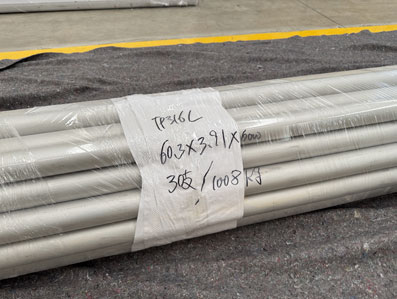
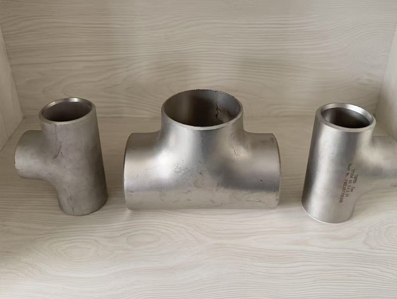
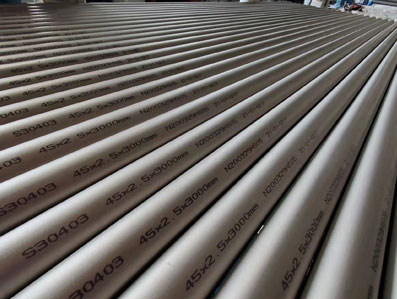
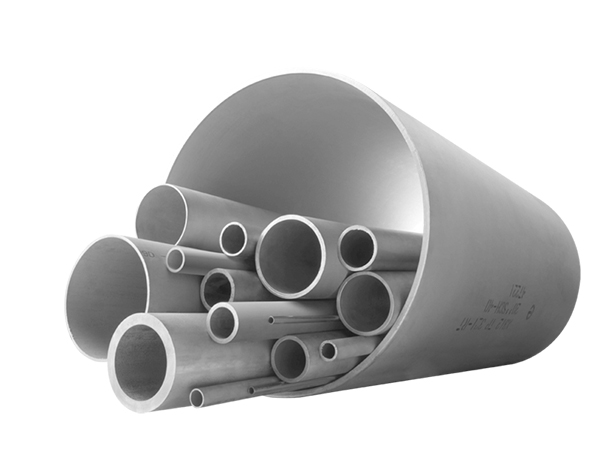
At GxpipeTech, we specialize in the manufacturing and export of stainless steel seamless pipes and fittings for high-pressure industrial applications.
Our advantages include:
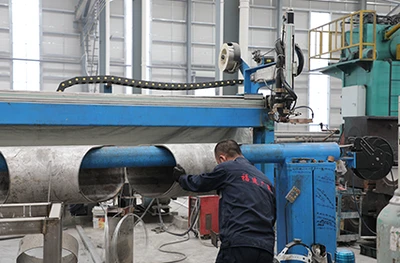
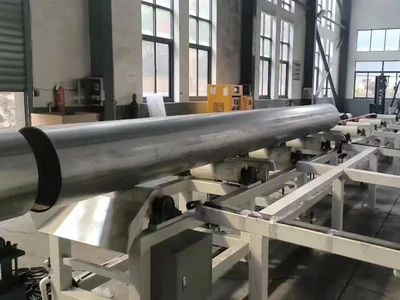
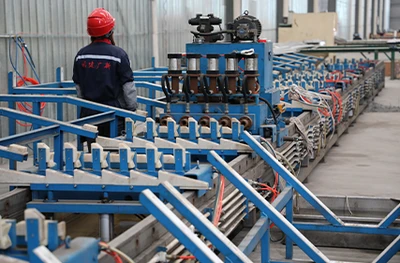
State-of-the-art piercing and extrusion lines
Comprehensive NDT testing (ultrasonic, eddy current, and hydrostatic)
Full traceability from raw material to finished product
Compliance with ASTM, ASME, EN, and ISO standards
We understand that EPC contractors, distributors, and system integrators need dependable supply and documentation — not retail sales pitches.
Our goal is to help you build safer, more efficient, and longer-lasting systems with the right seamless pipe solutions.
Conclusion
In high-pressure environments, seamless pipes are preferred because of their unmatched strength, uniformity, and reliability.
Their ability to endure pressure, temperature, and stress without compromise makes them indispensable in critical industries.
When system integrity, safety, and performance matter most — seamless pipes are the only professional choice.
FJGX
Leading Manufacturer of Stainless Steel Piping Solutions.