Sizes: ½” to 48”, pressure ratings up to 300#.
Standards: ASME B16.5, DIN 2573.
Materials: A105, F304, F316.
Typically used with full-face gaskets.
| Specification | Description |
Product Name | Flat Face Flange |
Size Range | ½” to 48” |
Pressure Rating | Up to 300# |
Standard Compliance | ASME B16.5, DIN 2573 |
Materials | Carbon Steel (A105), Stainless Steel (F304, F316) |
Facing Type | Flat Face |
Gasket Type | Full-face gasket recommended |
Connection | Welded or bolted as applicable |
Temperature Range | Depends on material and service conditions |
Surface Finish | Smooth flat face |
Testing | Hydrostatic test; additional testing on request |
Certification | Material Test Report (MTR) per standard |
Applications | Piping systems in oil & gas, petrochemical, industrial |
Customization | Sizes and specifications available on request |
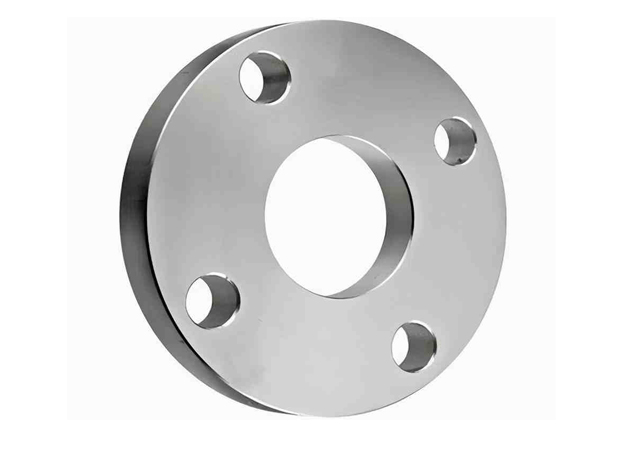
Note: Flat Face Flanges are typically used with full-face gaskets and are suitable for applications where flange faces match flat equipment surfaces.
What is a flat face flange?
A flat face flange is a type of flange with a completely flat sealing surface, designed to evenly distribute pressure across the entire gasket area. It is commonly used with cast iron equipment, pumps, and low-pressure applications to prevent flange bending or cracking. Many flat face flange manufacturers produce them according to ASME standards to ensure compatibility and safety. This design helps reduce stress concentration and improves sealing reliability in delicate piping systems.
What is the ASME standard for flat face flanges?
Flat face flanges are generally manufactured in accordance with ASME B16.5 and ASME B16.47 standards, which define dimensions, pressure ratings, and tolerances. These standards ensure interchangeability and safe operation across industrial piping systems. Leading flat face flange manufacturers follow these specifications to guarantee global compliance and performance consistency. Proper adherence to ASME standards is essential for safe and leak-free flange connections.
How do I know which flange is right for me?
Choosing the right flange depends on factors such as pressure rating, temperature, fluid type, and equipment material compatibility. A flat face flange is suitable for low-pressure systems and fragile equipment, while raised face or RTJ flanges are used for higher-pressure applications. Consulting technical specifications or experienced flat face flange manufacturers can help ensure correct selection. Proper flange selection improves system safety, sealing performance, and long-term reliability.
Do flat face flanges need gaskets?
Yes, a flat face flange always requires a full-face gasket to ensure even load distribution and a proper seal. The gasket covers the entire flange face to prevent leakage and reduce stress on brittle materials. Most flat face flange manufacturers recommend using soft gasket materials such as rubber or non-asbestos fiber for optimal performance. Correct gasket selection is essential for achieving a leak-free and safe connection.
When to use raised face and flat face flange?
A raised face flange is typically used in high-pressure systems where stronger gasket compression is required, while a flat face flange is preferred for low-pressure systems or brittle materials like cast iron. The flat face design helps avoid concentrated stress that could damage the mating equipment surface. In contrast, raised face flanges focus pressure on a smaller gasket area for higher sealing force. The choice depends on system pressure, material type, and equipment sensitivity.