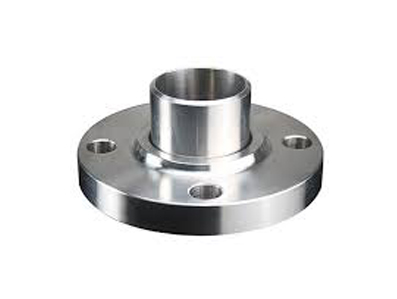
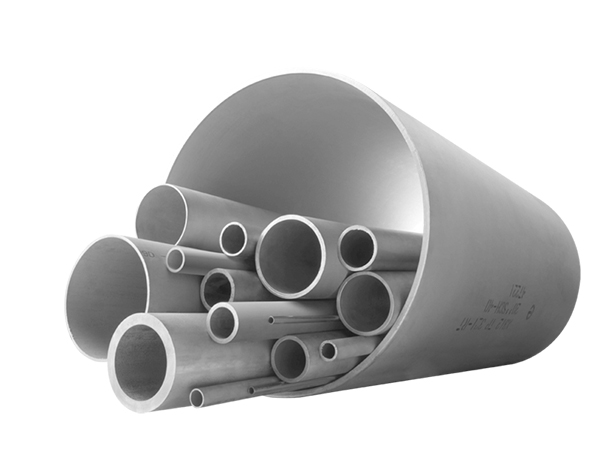
Carbon steel A105 is typically selected for integral flanges in moderate pressure and temperature services, while alloy steel is chosen when higher temperature strength, creep resistance, or enhanced mechanical performance is required. The correct choice depends on operating temperature, pressure class, media, and long-term reliability expectations—not price alone.For any integral flange, material selection directly affects structural integrity, weld performance, inspection scope, and lifecycle cost.
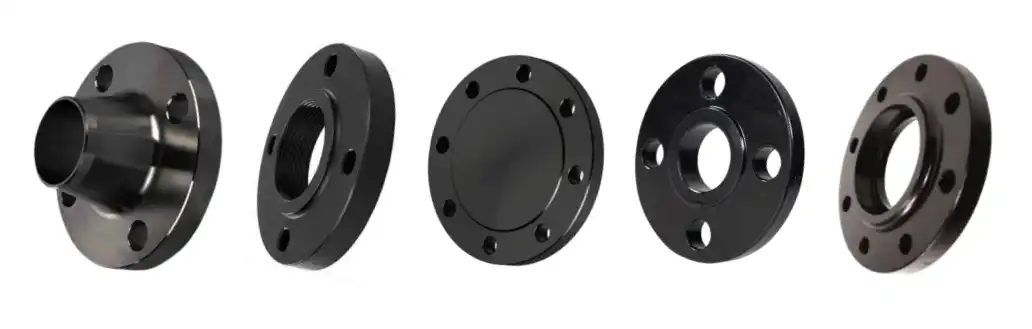
What is the difference between A105 and alloy steel for integral flanges?
The difference lies in chemical composition, temperature capability, and mechanical behavior under stress.
ASTM A105 is a forged carbon steel designed for ambient to moderately elevated temperatures.
Alloy steels (such as ASTM A182 F11, F22, or similar grades) contain chromium, molybdenum, or other alloying elements that improve strength at elevated temperatures and resistance to deformation over time.
In integral flange applications, this distinction becomes critical because the flange is often structurally integrated with the pipe or pressure component, not a removable fitting.
When is ASTM A105 suitable for an integral flange?
ASTM A105 is widely used for integral flanges in standard industrial piping systems.
It is suitable when:
Operating temperatures are within typical ASME B16.5 limits
Pressure classes fall within conventional ranges
The service environment is non-corrosive or mildly corrosive
Cost efficiency and availability are key considerations
Common applications
Petrochemical process lines
General industrial piping
Utility and power plant balance-of-plant systems
A105 offers good machinability, stable forging quality, and broad global acceptance, making it a default choice for many integral flange designs.
What are the limitations of A105 in integral flange applications?
A105 is not ideal for:
High-temperature service where creep resistance is required
Prolonged exposure above typical carbon steel temperature limits
Severe thermal cycling
Systems requiring enhanced mechanical strength at elevated temperatures
In these scenarios, material degradation over time can become a concern, particularly for integral flanges that cannot be easily replaced without cutting or shutdown.
When should alloy steel be selected for an integral flange?
Alloy steel is preferred when operating conditions exceed the comfortable limits of carbon steel.
It is commonly selected when:
Operating temperatures are high or fluctuate significantly
Long-term creep resistance is required
Pressure and temperature combinations approach design limits
Codes or project specifications mandate alloy materials
Typical alloy steel grades for integral flanges include chromium-molybdenum steels, which provide higher yield strength and improved thermal stability.
Why alloy steel performs better at elevated temperatures
The presence of alloying elements such as chromium and molybdenum:
Increases resistance to creep deformation
Improves tensile strength retention at high temperature
Enhances resistance to oxidation in hot service
For an integral flange, which experiences combined stresses from pressure, thermal expansion, and welding, alloy steel offers a greater safety margin under demanding conditions.
How does material choice affect welding of integral flanges?
Material selection has a direct impact on welding procedures.
A105 integral flanges typically require standard preheating and post-weld practices
Alloy steel integral flanges often require controlled preheat, post-weld heat treatment (PWHT), and stricter welding qualification procedures
These requirements influence fabrication cost and schedule but are essential for ensuring long-term performance in critical service.
Is alloy steel always better than A105 for integral flanges?
Alloy steel is not automatically the better choice.
In many projects, specifying alloy steel where it is not technically required:
Increases cost unnecessarily
Adds fabrication complexity
Extends lead times due to PWHT and inspection requirements
For integral flange applications operating within normal temperature and pressure ranges, A105 remains a reliable and cost-effective solution.
Technical Comparison: A105 vs Alloy Steel (for Integral Flanges)
| Aspect | ASTM A105 (Carbon Steel) | Alloy Steel (e.g. Cr-Mo) |
Material Type | Forged carbon steel | Alloy steel with Cr, Mo, etc. |
Typical Use | Standard pressure & temperature service | High-temperature / high-stress service |
Temperature Capability | Moderate temperature range | Superior performance at elevated temperatures |
Creep Resistance | Limited | Excellent |
Mechanical Strength | Adequate for general service | Higher yield and tensile strength |
Weldability | Good, simpler procedures | Requires stricter welding control |
PWHT Requirement | Usually not required | Often required |
Cost Level | Lower | Higher |
Typical Standards | ASME B16.5, ASTM | ASME, API, project-specific |
Common Applications | General industrial piping, utilities | Power plants, refineries, HP systems |
Suitability for Integral Flange | Standard choice | Preferred for demanding conditions |
How do standards influence material selection?
Material choice is closely tied to applicable standards and project specifications.
ASME-based systems commonly allow A105 for standard pressure classes
High-temperature or special-service systems may require alloy steel by code or client specification
API-governed projects often impose stricter material and testing requirements
Selecting the correct material ensures compliance with design codes, inspection criteria, and long-term operating expectations.
What information should be defined when specifying material for an integral flange?
A complete specification should clearly state:
Operating pressure and temperature
Applicable design standard
Media and service conditions
Material grade and heat treatment
Welding and inspection requirements
Providing this information upfront reduces engineering revisions and ensures the integral flange is manufactured to suit actual operating conditions rather than assumptions.
Material selection impacts long-term reliability
Choosing between A105 and alloy steel is a strategic decision that affects safety, maintenance planning, and lifecycle cost.
A105 is well-suited for most standard industrial applications
Alloy steel is essential for high-temperature, high-stress, or critical service systems
For integral flanges—where replacement is complex and downtime is costly—selecting the correct material from the outset ensures dependable performance throughout the system's operating life.
FJGX
Leading Manufacturer of Stainless Steel Piping Solutions.