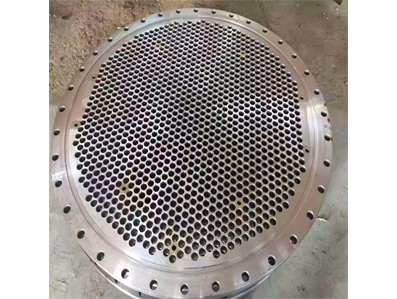
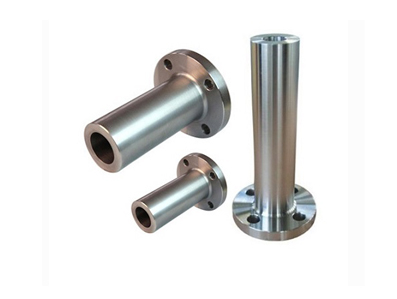
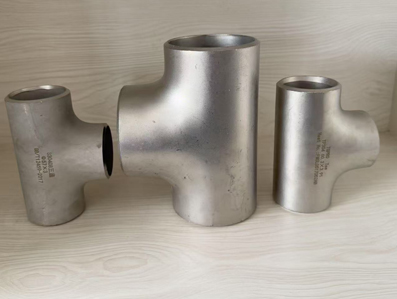
RTJ flange is a high-integrity flange connection designed for high-pressure and high-temperature service. Unlike raised face flanges that rely on surface compression across a broad sealing area, a ring type joint flange seals by compressing a precision-machined metal ring gasket inside matching grooves on the flange faces. This ring joint flange design creates a concentrated sealing stress, making RTJ flanges a preferred choice in oil and gas, petrochemical, offshore, refinery, power generation, and other critical services where leakage control is essential.
For buyers, engineers, EPC contractors, and plant maintenance teams, the practical value of a flange RTJ lies in four things: sealing reliability, pressure capability, dimensional accuracy, and material traceability. If any one of these is weak—groove machining, gasket compatibility, metallurgy, or bolt load control—the connection may fail even when the flange nominal size and pressure class appear correct.
This guide explains what an RTJ flange is, how it works, the main components, RTJ gasket types, RTJ flange types, RTJ flange applications, RTJ flange vs RF flange differences, and how to choose trusted RTJ flange manufacturers.
What Is an RTJ Flange?
An RTJ flange, also called a ring type joint flange, is a flange with a specially machined groove in its sealing face. A metallic ring gasket is placed into this groove, and when the flange bolts are tightened, the gasket plastically deforms against the groove walls to form a high-pressure metal-to-metal seal.
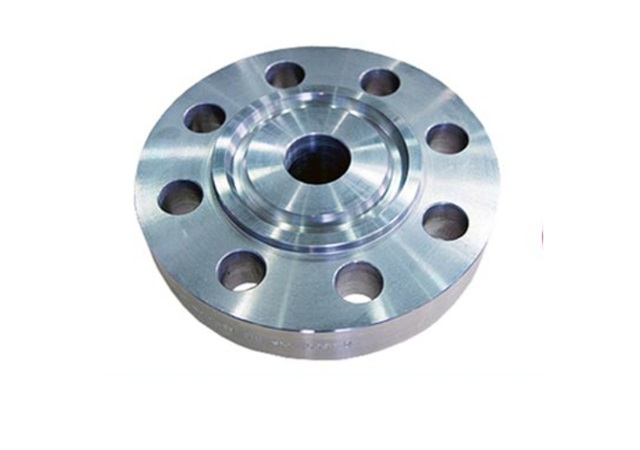
RTJ flanges are typically used in:
High-pressure piping systems
High-temperature process lines
Hydrocarbon and gas services
Steam systems
Hazardous or critical fluid handling
Offshore and subsea topside equipment
Refinery and petrochemical units
RTJ joint flanges are most commonly associated with ASME B16.5 and ASME B16.47 pressure classes where severe service demands stronger sealing performance than standard soft-gasket raised face arrangements.
How Does a Ring Type Joint Flange Work?
The sealing principle of a flange RTJ is based on concentrated compressive loading. The ring gasket sits in the precision groove of the flange face. As bolts are tightened, the gasket is compressed between the matching grooves of the mating flanges. This creates very high localized sealing stress.
In practical terms, the seal depends on:
Correct groove dimensions
Correct ring gasket style and size
Proper gasket material selection
Sufficient and uniform bolt preload
Good flange alignment
Surface condition of the groove and ring
The ring itself is designed to deform slightly under load. This controlled deformation allows intimate metal contact and creates a tight seal capable of withstanding severe operating conditions.
Unlike broad-face gasket systems, the RTJ joint system is not forgiving of poor machining or improper assembly. Precision is the reason it performs well—and also the reason quality control matters much more.
What Are the Main Components of an RTJ Flange?
A ring type joint flange connection includes more than just two flanges and a gasket. Each component contributes directly to sealing integrity and service life.
Flange Body
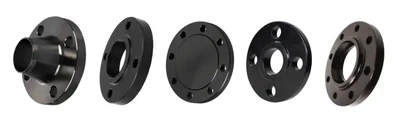
The flange body provides the structural strength required to contain pressure and transfer bolt loads. It may be forged as weld neck, blind, threaded, socket weld, slip on flange design, or lap joint style depending on the design standard and service conditions.
Ring Groove
The RTJ groove is the defining feature of a ring type joint flange. It is precision-machined into the flange face to match a specific ring gasket profile. Groove geometry must comply with the applicable standard because even small dimensional errors can reduce sealing performance.
Ring Joint Gasket
This is the metallic sealing element placed inside the groove. Common gasket profiles include oval, octagonal, RX, and BX, each suited for specific flange ratings and service demands.
Bolting
Stud bolts and nuts generate the compressive force that energizes the gasket. In RTJ service, accurate bolt loading is essential. Under-tightening can cause leakage; over-tightening can damage the gasket or flange groove.
Hub or Neck
On weld neck flange types, the tapered hub helps transfer stress from the flange into the pipe, improving fatigue resistance and structural performance in cyclic and high-pressure service.
Pipe or Equipment Connection
Depending on the flange type, the connection to pipe or equipment may be welded, threaded, or otherwise integrated. The quality of this joint also affects the overall integrity of the assembly.
Facing and Back Face Geometry
Although the groove is the primary sealing feature, other machined surfaces still affect assembly fit, load distribution, and alignment.
RTJ Flange Types
Ring Type Joint (RTJ) flanges are engineered for high‑pressure, high‑temperature sealing using a metal ring gasket seated in a precision‑machined groove on the flange face. Unlike soft gasket systems, RTJ joint flanges deliver a metal‑to‑metal seal that increases reliability in critical service environments.
Main Flange RTJ Variants
Ring joint flange designs vary primarily by groove and ring gasket compatibility and intended pressure service:
Oval (R‑type) – Classic ring joint flange design; available in oval or octagonal cross‑sections. Octagonal provides improved sealing contact.
RX‑type – Modified octagonal with slight profile change to improve energizing under pressure.
BX‑type – Designed for very high pressures, typical in API 6A wellhead hardware.
In each case, the metallic ring gasket is always softer than the flange material, enabling controlled plastic deformation into the groove for sealing.
RTJ flanges are produced in multiple structural forms (weld neck, blind, slip‑on, socket weld, threaded, lap‑joint), enabling their integration across piping systems of varying layout and maintenance needs.
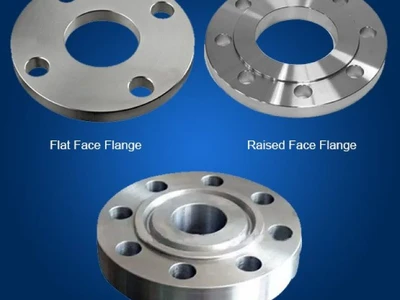
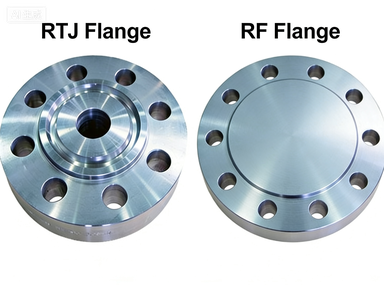
RTJ Flange vs RF Flange
RTJ (Ring Type Joint) and RF (Raised Face) flanges differ fundamentally in sealing mechanism, pressure capacity, gasket type, cost, and service envelope. The table below presents an engineer‑oriented comparison of RTJ flange vs RF flange.
| Feature | RF (Raised Face) | RTJ (Ring Type Joint) |
|---|
| Sealing Mechanism | Soft gasket compressed on raised face | Metal ring deforms into groove |
| Gasket Type | Spiral wound, CNAF, PTFE/graphite | Metallic ring (R, RX, BX) |
| Typical Pressure Range | Low to medium (e.g., Class 150–300) | High (Class 600 and above) |
| Temperature Capability | Limited by gasket materials | High (metal‑to‑metal) |
| Seal Integrity | Good for general service | Excellent for extreme environments |
| Cost | Lower overall | Higher (precision machining + metal ring) |
| Standardization | ASME B16.5, B16.47 | ASME B16.5, B16.47, API 6A |
| Fire Safety | Depends on gasket | Superior (all‑metal seal) |
Key differences include:
Sealing integrity: Flange RTJ achieves a robust metal‑to‑metal seal that resists relaxation or extrusion at elevated loads, whereas RF flanges depend on gasket compression against a raised surface.
Interchangeability: RF and RTJ are not interchangeable — their face geometries and gasket types are fundamentally incompatible.
Applications: RF is common for general process piping; RTJ is standard in heavy oil & gas, high‑pressure steam, and subsea piping systems.
RTJ Flange Applications
RTJ flanges are selected where leak integrity, safety, and extreme service reliability are paramount.
RTJ Flange Application in Oil & Gas Industry
In upstream, midstream, and downstream sectors, RTJ flanges are widely used in:
Wellhead and Christmas tree assemblies
High‑pressure production manifolds
Subsea pipelines and risers
Their metal joint seal prevents fugitive emissions and fluid leakage under high pressures and temperature fluctuations.
RTJ Flange Application in High‑Pressure Piping Systems
RTJ flanges are often specified in Class 600# and above piping systems handling steam, high pressure hydrocarbons, and critical process services where soft gaskets might fail.
RTJ Flange Application in Refineries & Petrochemical Plants
Refinery fractionation, feedstock transfer, and petrochemical reactor piping frequently leverage RTJ flanges to maintain compliance with safety and performance standards while minimizing maintenance outages.
RTJ Flange Standards
Standards ensure consistent dimensions, materials, and sealing performance across flange manufacturers:
ASME B16.5
Governs dimensions, pressure‑temperature ratings, and face types for RTJ flanges up to 24″ NPS.
Includes associated metallic gasket dimensions per ASME B16.20.
RTJ flanges here are typically used for Class 600#–2500# rating schedules in process piping.
API 6A
Defines requirements for wellhead & Christmas tree equipment, mandating RTJ face types (R, RX, BX) for extreme pressure (often above typical ASME process class).
Together, these standards allow flange manufacturers worldwide to produce components that are dimensionally interchangeable and engineering compliant for critical sealing service.
FAQs
What does RTJ stand for in flanges?
RTJ stands for Ring Type Joint, a flange face that uses a metallic ring gasket in a machined groove to form a high‑integrity metal‑to‑metal seal.
When should a ring type joint flange be used over a raised face flange?
Choose RTJ flanges for high‑pressure, high‑temperature, high‑safety‑critical applications (typically Class 600# and above), especially where leakage is unacceptable. RF flanges are suitable for general service and moderate pressures.
Can RTJ flanges use soft gaskets?
No — RTJ flanges require metallic ring gaskets sized to match the groove profile. Soft gaskets cannot provide the metal‑to‑metal seal required and will lead to leaks.
Are RTJ flanges reusable?
While the flanges themselves can be reused if undamaged, RTJ ring gaskets are single‑use; they deform plastically on initial installation and must be replaced upon disassembly.
How do I choose a qualified RTJ flange manufacturer?
Select manufacturers with certified compliance to ASME B16.5 and API 6A standards, traceable material certifications (e.g., EN 10204), and third‑party inspection capabilities. This ensures performance and safety in critical process applications. Companies such as Guangxin PipeTech are often considered by buyers looking for suppliers that emphasize these quality and certification requirements.
FJGX
Leading Manufacturer of Stainless Steel Piping Solutions.